
Caribbean Health Data: Where to Find It
These web sites provide reliable health statistics and information about health trends in the Caribbean. The data can help with research, policy development, and program planning.
ECHORN Site-SPECIFIC Data
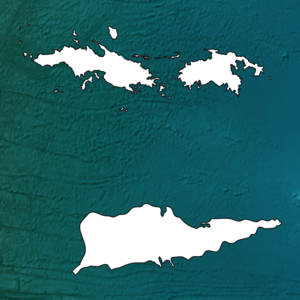
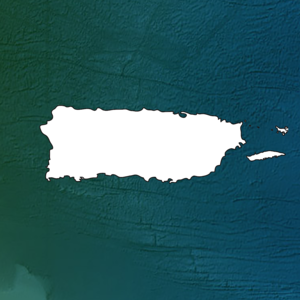
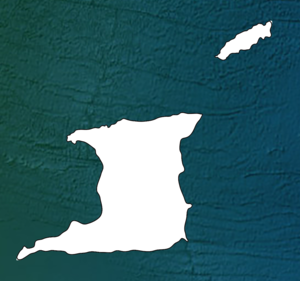
These resources provide national health information for ECHORN island sites: Barbados, Trinidad and Tobago, U.S. Virgin Islands, and Puerto Rico. The topics include key health concerns like common diseases, wellness, and health services.

Global Health Data
These are worldwide health data sources that include information relevant to the Caribbean. Use this section to see how health in the Caribbean compares to other regions and to explore global issues that impact the Caribbean, like disease prevention and health policies.
Caribbean Health Data
These sites are helpful for looking at health patterns and comparing information across different countries in the region. They contain general statistics as well as insights into public health challenges.
-
CARPHA is a unique, comprehensive resource for health data in the Caribbean region, offering a wide range of information, including a health data repository, key health indicators, regional health profiles, mortality data, communicable disease data, population data, and a data request form for specific inquiries. Additionally, it provides access to various publications and posters related to Caribbean health. The site’s multilingual support enhances its accessibility to a broad audience.
-
CaribData.org is an electronic research data infrastructure focused on the Caribbean region. It provides tools like REDCap (caribdata.org/redcap) for efficient data collection and an Electronic Research Data Infrastructure (eRDI) to facilitate data sharing among researchers. The platform aims to enhance regional data handling capacity and encourage effective data sharing.
-
The PAHO data portal on noncommunicable diseases, mental health, injuries and risk factors brings data on a comprehensive set of indicators relevant to technical programs from the Department of Noncommunicable Diseases and Mental Health (NMH), including noncommunicable diseases (NCDs), violence, injuries, risk factors for noncommunicable diseases, nutrition and physical activity, mental health, substance use prevention, and disability and rehabilitation.
Through interactive data visualizations, the portal makes it easier for users to explore data, discover information and share insights to support the efforts to reduce noncommunicable diseases, injuries, and mental health burden and improve the health and well-being of people in the Region of the Americas. -
This latest edition of Health at a Glance: Latin America and the Caribbean, prepared jointly by OECD and the World Bank, presents a set of key indicators of health status, determinants of health, healthcare resources and utilization, healthcare expenditure, and financing, quality of care, health workforce, and aging across 33 Latin America and Caribbean countries.
-
Health in the Americas is a comprehensive report dedicated exclusively to monitoring and analyzing the health situation in the Region. This new portal now centralizes access to all information published in Health in the Americas, beginning with the current edition, which focuses on Potentially Avoidable Premature Mortality and includes new and more interactive ways to view data and compare information in different regions and countries.
-
PAHO is an international health agency that works to improve quality of life and protect people’s health in the Americas. The PAHO data portal includes datasets on health and health-related indicators, noncommunicable diseases, mental health, immunization data and statistics, and more.
-
This page provides a comprehensive overview of various indicators related to social, economic, environmental, and institutional aspects of this region.
-
UNAIDS is leading the global effort to end AIDS as a public health threat by 2030 as part of the Sustainable Development Goals. Their mission is to achieve zero new HIV infections, zero discrimination, and zero AIDS-related deaths.
-
This site offers interactive data visualizations across a wide range of topics, such as air pollution, climate change impacts, conflict, economic inequality, energy, food prices, global health, and more.
-
The Demographic and Health Surveys (DHS) Program has collected, analyzed, and disseminated accurate and representative data on population, health, HIV, and nutrition through more than 400 surveys in over 90 countries.
-
WHO's Global Influenza Programme provides weekly updates on influenza and respiratory virus activity worldwide, analyzing surveillance data from the Global Influenza Surveillance and Response System (GISRS) to track trends and inform public health responses.
-
The WHO mortality database contains data on cancer-related deaths, providing valuable insights into global mortality rates and trends associated with various types of cancer.
-
The WHO Noncommunicable Disease Surveillance, Monitoring and Reporting unit aims to collect, analyze, and disseminate country-level risk factor information, such as survey reports and fact sheets, to inform public health policy and improve global tracking of major noncommunicable diseases and their key risk factors.
Caribbean Health Data in Action: Examples of Research and Projects
This section shows examples of how health data has been used in real-life research and projects with a focus on the Caribbean. It’s helpful for anyone interested in how health information can shape policy, programs, and improvements in the region.
Scientific Publications
If you’re looking for scientific articles and research on health topics in the Caribbean, this section lists resources that publish studies and reports. These are valuable for researchers and students who need detailed information and data-backed insights.
Research and Policy Institutions
This section lists organizations with research and data on health issues in the Caribbean. Their work includes topics such as healthcare access, major health concerns, and social issues affecting health. This information can help guide community and policy decisions.
-
CDB offers annual reports, learning materials, research papers, and other resources on key development areas in the Region.
-
The Guttmacher Institute is a research and policy organization that focuses on sexual and reproductive health and rights. The page provides data and resources for 33 countries in the Caribbean region, covering topics such as unintended pregnancy, abortion, contraception, maternal and newborn care, and sexuality education.
-
IDB is a main source of development financing for Latin America and the Caribbean. The reports cover a wide range of topics including trade, development, poverty; the health services reports cover aging, gender roles in the home, health spending, and more.
-
In their Reports on the Americas series, Wilson Center experts offer in-depth analyses of key issues for Latin America and the Caribbean.
-
The Caribbean Medical Journal is an inclusive medical journal reporting research in the areas of clinical medicine, veterinary medicine, dentistry, pharmacology and allied health specialties.
-
IRIS-PAHO contains historical and current scientific and technical literature produced by the PAHO. IRIS also includes the mandates (resolutions, working documents, information documents) of PAHO Governing Bodies and all the articles published by the Pan American Journal of Public Health.
-
LILACS is an important and comprehensive index of scientific and technical literature, theses and dissertations, government documents, and more from Latin America and the Caribbean. The search interface is in English, Spanish, and Portuguese.
-
PubMed is the freely available interface for MEDLINE, the largest biomedical literature database in the world. PubMed offers millions of citations for biomedical literature from MEDLINE, full text from PubMed Central, and online books, from the 1800s-present.
-
This database includes over 620 academic journals, covering health and life sciences, social sciences and humanities, mostly in Spanish or Portuguese. All articles are available full-text and the interface is available in Spanish, Portuguese, English and French.
-
SciELO (Scientific Electronic Library Online), is a bibliographic database and a model for cooperative electronic publishing in Latin American, Caribbean and Iberian countries. It contains more than 600 scientific journals from disciplines in the health and life sciences, social sciences, and the humanities.
-
The VHL provides research portals for evidence-based practice, health technology, and more, as well as specialized resources in disaster medicine, environmental health, and more.
Learning Tools for Health Data
Here, you’ll find online learning resources that teach you how to work with health data. These courses and guides are helpful for health professionals or students who want to improve their skills in public health research.
-
Understanding data types, citation standards, and quality assessment is crucial for ensuring reliable research and analysis. Proper classification helps in selecting the right approach for data interpretation, while accurate citation maintains credibility and academic integrity. Assessing data quality—both objectively and subjectively—ensures that findings are based on robust, well-documented sources, minimizing bias and enhancing the validity of conclusions. By understanding these components, you can effectively navigate and utilize the wealth of information available digitally for Latin American and Caribbean health research.
-
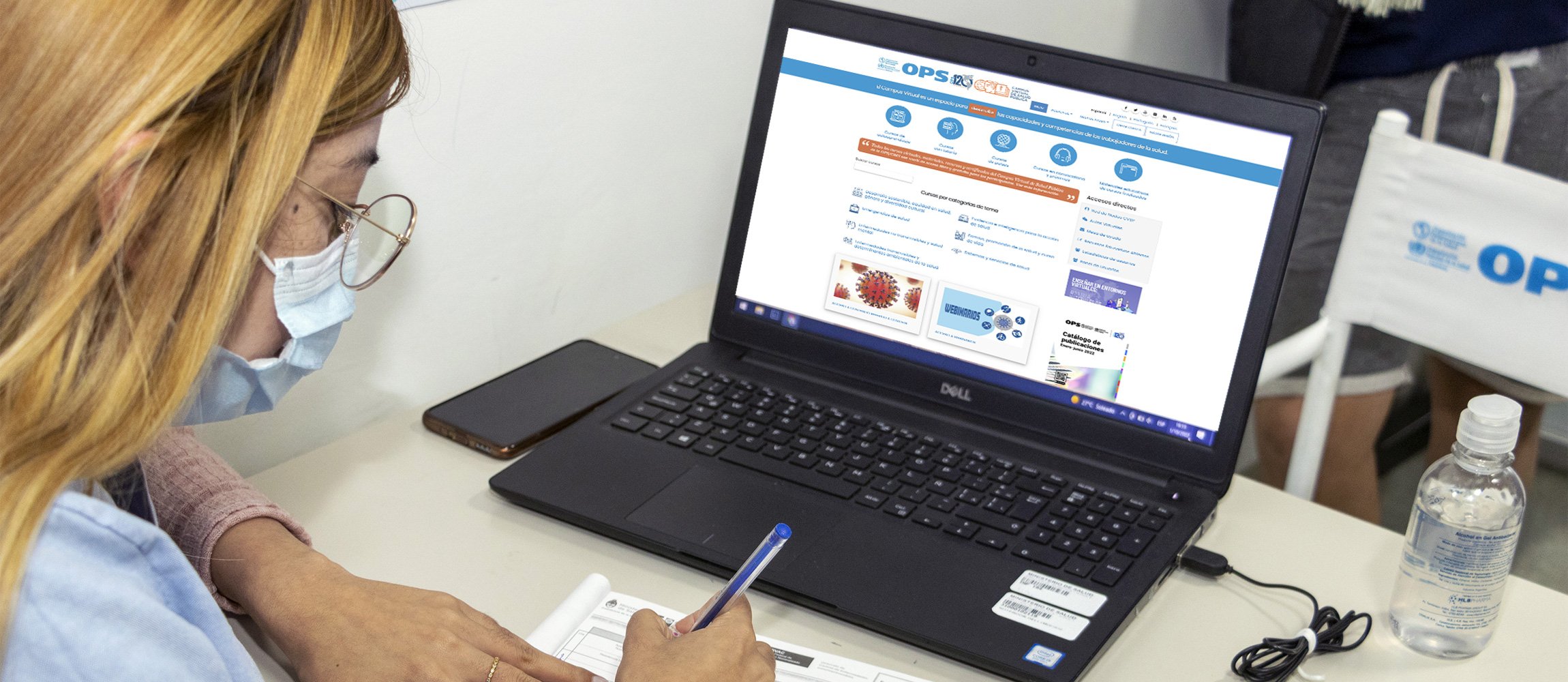
The Virtual Campus for Public Health (VCPH) is the learning platform of the PAHO. The goal of the Virtual Campus is to contribute to the development of skills and competencies of health workers, while supporting the transformation of public health services and practices in the Region of the Americas.
-
This open-access Yale Medical Library site provides access to resources and tools for searching public health literature and data, offering support throughout the research process, including developing search strategies, finding relevant documents, and managing citations.


AcknowledgementS
ECHORN is funded by grants from the National Institutes of Health/National Library of Medicine (G08LM013801), National Institute for Minority Health and Health Disparities (#U54MD010711, #U54MD010711-05SI, #U24MD006938) and the National Heart, Lung, and Blood Institute (#R01HL143785). This page is made possible by the generous support from the ECHORN Implementation Workgroup and the Harvey Cushing/John Hay Whitney Medical Library at Yale University.
Last updated July 21, 2025